
By Carl Scott, Youth Worker.

Some parents wonder when, where and how to start a conversation about cannabis.  They ask themselves and others: ‘What age is the right age to start talking about drugs?’  Or, ‘Should I ask the questions, or should I wait until my child ask me something?’  Every child is different, so there is no ‘right age’ to start talking about cannabis.  But it makes sense to have your first conversation before your child is likely to try using cannabis.  That way you establish a connection and share your expectations before they are exposed to any risk associated with cannabis. 

Responding to your child’s cannabis use 

Discovering (or suspecting) your child has been using cannabis or any other drug can be scary, especially if you feel that it is not just part of ‘normal’ experimentation.  While it can be tough to resist the urge to go wild with worry or anger, the best thing you can do for your child is to respond responsibly.  It is important not to let your concerns harm the relationship and the trust you have with your child. 

1) Stay Calm 

Yelling and making threats will not help the situation. If anything, ‘freaking out’ will give your child another reason to hide things from you.  Searching their room or personal belongings may harm the trust between you and your child. 

2) Talk to your child 

Sit down with them and tell them how you feel.  If they are high, wait until the effects have worn off so you can have a more meaningful discussion.  Say ‘I’m worried because…or ‘I’m afraid because…’. Then give your child an opportunity to express their own feelings.  Make sure they know you are really listening.  And allow them time to think things through before speaking. 

Learn why your child is using drugs. Find out what led them to try cannabis in the first place. Was it because their friends were using it and they wanted to fit in?  Was it for the ‘buzz’ that comes from having an altered state of consciousness?  Was it because they wanted a way to escape? Was it to manage symptoms of anxiety or other mental health problems?  If so, you might want to consider seeking help from a mental health professional.  It may also be helpful to find out how often your child uses cannabis.

Young people use cannabis because they feel it benefits them.  The most common reasons a youth uses cannabis are:

To feel good – young people may use cannabis to feel more social, celebrate or relax.  Using cannabis to feel good is associated with moderate use.  There is still some risk, as there is in life in general.

To feel better – cannabis can help to reduce anxiety in social situations or when trying to connect with others or reduce symptoms of chronic anxiety or depression.  If young people use cannabis regularly to deal with troubling feelings, then use may become problematic.

To do better – some young people feel pressure to improve their performance, ‘get going’ or ‘keep going’. 

To explore – Young people may use cannabis out of curiosity or to ‘walk on the edge’, trying something new and different. 

If your child is engaging in risky activities such as using cannabis at school or selling cannabis, it is important to talk with them about why they are engaging in these activities so that you can assess the level of risk, help them think through the consequences and identify alternatives.  For example, if your child is selling cannabis to make money, talk with them about safer ways to earn an income. 

Quick tips for safer cannabis use

  • Avoid smoking cannabis with tobacco.
  • Avoid deep inhalation or breath-holding. 
  • Use a vaporizer if smoking cannabis, use joints rather than water bongs. 
  • Use a small piece of rolled unbleached cardboard as a filter to prevent burns.
  • Only use cannabis purchased from a trusted source. 

Signs of risky or harmful cannabis use

  • Using regularly at an early age daily or near daily use.
  • Using during school or work.
  • Using as a major form of recreation
  • Using to cope with negative moods
  • Experiencing chronic coughing, shortness of breath, wheezing or psychotic symptoms. 

Long term effects of cannabis use 

  • Decline in IQ (up to 8 points if prolonged use started in adolescence)
  • Poor school performance and higher chance of dropping out.
  • Impaired thinking and ability to learn and perform complex tasks.
  • Lower life satisfaction
  • Addiction (about 9% of adults and 17% of people who started smoking as teens become addicted)
  • Potential development of opiate abuse
  • Relationship problems, violence, antisocial behaviour including stealing money or lying
  • Financial difficulties
  • Increased welfare dependence
  • Greater chances of being unemployed or not getting good jobs. 

This post was written by Carl Scott, Youth Worker
Follow Carl on Instagram @carl_scott_official
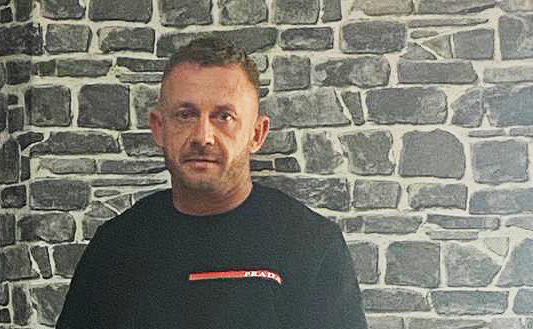
Carl Scott

Help & Advice

Take a look at our Help page for advice and information on drugs and alcohol

We talked about weed and drug-taking with experts Toby Chown from Oasis Project, Carl Scott from Reboot Sussex, Luci Hammond from RU-OK? and PC Joe Davies from Sussex Police.

If you’re concerned about a young person getting involved in drugs or county lines, getting advice before talking to them can really help. Call Crimestoppers on 0800 555 111.
Our latest Q&A is all about weed and drug-taking. We’ve seen a rise in concerns from parents and teens about use of weed, and worries about county lines. We brought together a group of brilliant experts: Carl Scott, a youth worker from Reboot Sussex; Toby Chown from charity Oasis Project which helps families affected by alcohol and drug use; Luci Hammond from RU-OK?; and PC Joe Davies from Sussex Police. 

Watch our half hour conversation (below) which covered:

  • signs to look out for if you think your teen is taking drugs; 
  • how a parent should approach them and talk about concerns; 
  • advice about what effect different drugs have on the body; 
  • when to seek help and where to find it; 
  • parent’s influence
  • what to do if you’re concerned about drug dealing and county lines; 
  • and what the law says. 

If you’re concerned about a young person getting involved in drugs or county lines, getting advice before talking to them can really help. Call Crimestoppers on 0800 555 111.

HELP & SUPPORT

Talk to Frank  Information for parents worried about their child and demystifying the language around drugs

Oasis Project, helps women, children and families affected by alcohol or drug misuse, and Young Oasis providing a place of safety and support for children and young people

RU-OK? Part of Brighton & Hove Children’s Services, working alongside under 18s whose lives are affected by substance misuse in Brighton & Hove. RU-OK? adolescent service switchboard – 01273 293966 – ask for RU-OK

Change Grow Live charity with advice on alcohol and drugs including information about benzodiazepines

Young Minds offer information for parents worried about their child’s use of alcohol or drugs

Winston’s Wish is our charity of the month for December. They do incredible and important work with children, young people and families supporting them through bereavement. 

Our Raising Teens radio show about grief featured Ross Cormack from Winston’s Wish. It was a fascinating discussion between Ross, host Guy Lloyd, Winston’s Wish Ambassador, Mark Lemon, and two other parents who were all dealing with grief. 

Winston’s Wish have a trained team who will talk to young people and those who care for them offering guidance and support with a brilliant online chat service available every Tuesday (1-5pm) and Friday (9.30-1pm).  

Their Freephone National Helpline on 08088 020 021 is open between 9.00am and 5.00pm, Monday to Friday.

They also have a special website, Help2MakeSense, aimed at young people where they tell their own stories and share advice on everything from returning to school after a bereavement to expressing your feelings and looking after your mental health. 

We know that Christmas can be a really difficult time for those who are grieving, and especially so during this pandemic. They cite research that found that “90% of parents whose partner had died in the last 10 years said the pandemic had deepened their feelings of loneliness and isolation and 80% said their children had also struggled with loneliness and isolation”. Take a look at their latest blog post which includes tips for families coping with grief at Christmas.

The Winston’s Wish website offers a wealth of information including:
❤️ Specialist support information including following a bereavement by accident or illness, suicide, homicide and the military
❤️ Publications for bereaved families and professionals
training for professionals 
❤️ Support for schools. 

You can donate to Winston’s Wish via their website.

Follow Winston’s Wish on social media:
twitter.com/winstonswish
facebook.com/winstonswishcharity
instagram.com/winstonswish

🎧 Listen to Raising Teens: Dealing with Grief

We tackled male mental health and home learning this week with two live Q&As with brilliant guests. Grab a cuppa and join Daisy and our brilliant guests.

Men’s mental health

On International Men’s Day, we wanted to focus on male mental health. We’ve been really concerned about the recent rise in suicide rates in men. All three of our guests for this chat have experience working with young people and gave us great insights into how to broach difficult subjects, on role models and how to tackle cannabis use, a particular concern in Brighton and Hove. Huge thanks to Carl Scott, a youth worker from Reboot Sussex, Glen Wiseman from YMCA Downslink Group and Lee Hine from East Sussex College for joining us.

YMCA Downslink offer counselling for young people aged 13+. Find out more on the e-wellbeing website.

Motivating teens to work from home

It can be so hard to motivate teens to learn from home. We talked to Darren Abrahams from Human Hive Learning to discuss the issues and he offered plenty of practical advice including what signs to look out for when your child is struggling as well as the language and tools to help build a better relationship with your teen. (If you followed our First World War project, you might remember Darren as he spoke to or teens about his work as a trauma therapist. You can hear the interview here.) Darren talked about his latest online course which is designed to help parents support teens learning at home.
For anyone interested in The Human Hive Learning course, all carried out over webinars and via their website, we have a half price exclusive to Make (Good) Trouble – which makes it about £10 (usual price $24.99). Click here for the offer.

If you have any questions for our guests or something you want us to cover in our future Q&As, let us know in the comments below.

Follow us on Facebook to catch our Q&As as they happen live.
facebook.com/wemakegoodtrouble