Looking for something meaningful, creative and confidence-building for your young person this Easter break? We’re excited to be back with our three-day outdoor drama holiday club in Friston Forest, set in the stunning landscape of the South Downs National Park.

🗓️ Tuesday April 7 to Thursday April 9
🤸🏽‍♀️For 11-15-year-olds
📍South Downs National Park, Friston Forest

This small-group workshop is designed specifically for young people who may benefit from extra support and encouragement. There are just 10 fully funded places available for 11-15-year-olds in East Sussex who are currently receiving free school meals.

🌳 Find out more and book your place here: Register for Make (Good) Trouble’s Easter club.

Over three days, participants will take part in a structured programme of drama, improvisation, storytelling, movement, art and outdoor group activities (including den building and a guided walk with a Park Ranger). Using the theme of forests as inspiration, the group will explore everything from myths and survival stories to environmental ideas and imagined worlds. They’ll build creative skills while making the most of being outdoors.

Why drama in nature?

For many teenagers, confidence and self-expression can feel challenging. Drama offers a practical, low-pressure way to:

  • Build self-esteem
  • Develop communication and teamwork skills
  • Strengthen problem-solving abilities
  • Express thoughts and feelings in a safe, supported space

Being outdoors adds another layer of benefit. Time in nature has been shown to support wellbeing, reduce stress and improve focus – something many young people need more of.

There is no expectation of prior drama experience. This is not about polished performances or being “the best.” It’s about participation, creativity and trying something new without fear of failure.
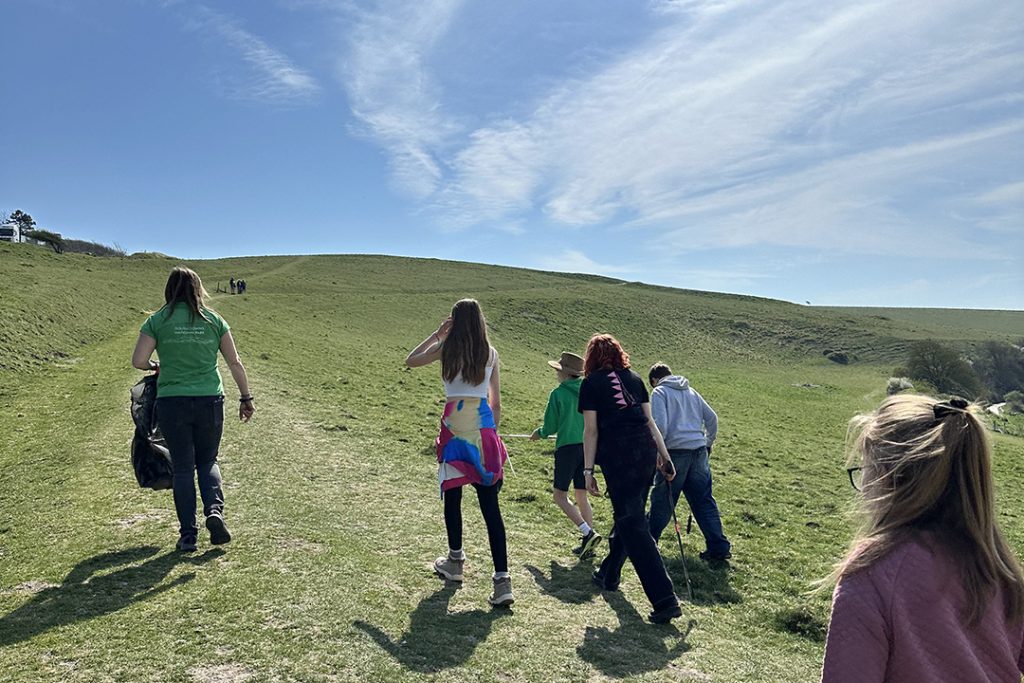
young people walking through the South Downs National Park

A supportive, small-group setting

With only 10 places available, the workshop offers a calm and inclusive environment where every young person is seen and heard. Sessions are led by the amazing Rozzy, a qualified children’s drama therapy coach from Dragon Drama, ensuring the atmosphere is nurturing, structured and sensitive to individual needs.

Who is it for?

This opportunity is open to teenagers in East Sussex who:

  • Are currently receiving free school meals
  • Would benefit from a confidence-building, creative experience
  • Are interested in drama, storytelling, or simply trying something different

How to apply

Places are limited and expected to fill quickly. 

This Easter, give your teenager the chance to step away from screens, connect with others, and discover new strengths – all in the inspiring surroundings of the South Downs National Park. 

🌳 Find out more and book your place here: Register for Make (Good) Trouble’s Easter club.

If you have any questions about the club prior to booking, you can contact us here: Get in touch.
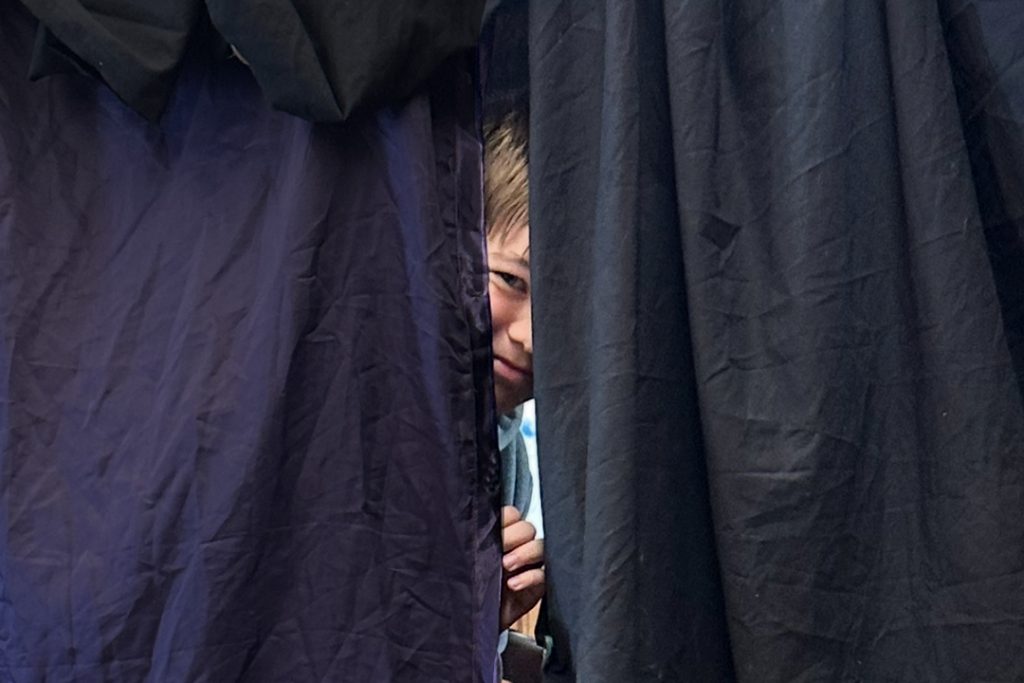
This Drama Holiday Club is supported by East Sussex County Council as part of the Holiday Activities and Food (HAF) scheme, and the South Downs National Park Trust. If you’re looking for other Easter activities for your child that are part of the HAF scheme, there will be plenty of options! Take a look here: East Sussex HAF Programme.
South Downs National Park Trust logo
East Sussex County Council logo

A new parenting workshop – coming soon

We’re building something new at Make (Good) Trouble, and we’d really love your help shaping it.

We’re piloting a brand-new online workshop for parents and carers of teenagers. It’s practical, evidence-based, and designed to help adults connect, communicate, and stay steady through the teenage years.

If parenting a teen has ever left you feeling worried, exhausted, anxious, or unsure — you’re not alone. That lived experience is exactly why this course exists.

Our work builds on years of listening to young people, including our BBC Radio series Raising Teens, co-created with adolescents and youth mental health professionals. Across five series, The Teenage Brain was the most listened-to episode — and it’s shaped everything we’re creating now.

What the pilot looks like

  • Online, small-group sessions
  • Around 2 hours, plus a follow-up session a week later
  • Bring a real issue (and a cuppa ☕)
  • Practical tools you can try out straight away
  • Calm, confidential, non-judgemental breakout groups

The golden ticket:
Pilot participants receive free access to the full course when it launches, plus all online materials.

You don’t need to join to help

Even if you don’t plan to take part, we’d really value your opinion.

We’re asking parents and carers to complete a short questionnaire about:

  • What helpful parenting support actually looks like
  • What’s worked (or hasn’t) before
  • When and how support fits into busy lives
  • Whether current support reflects culture, identity, and lived experience

Your responses will directly shape the course.

👉 Complete the questionnaire here (thank you!)

One last ask

If you know a parent or carer of a teen who might find this useful, please feel free to share this post or pass the link on. Thank you!

The Make (Good) Trouble team has just finished making a film about the amazing social prescribing pilot programme in East Sussex, which you can watch below.

Created for East Sussex County Council and NHS Sussex, the film tells the stories of children, families and professionals involved in the pilot.

Social prescribing is a non-medical approach to mental health and wellbeing. “It offers time, space and a supported personalised approach to explore what matters to individuals, and to help support them as quickly and easily as possible.” (National Children’s Bureaux).

The programme used social prescribing and positive activities – like cooking classes, physical activities, and getting out in nature – to support children’s mental health and emotional wellbeing. We could see how much it transformed young people’s lives.

As one parent said in the film: “She’s blossoming at school now. It’s put in [place] a lot of strategies that that they’re still using. If you’re honest with them and you tell them everything, they’ll help. We’re living proof of that … people need to hear the good things that they do. There’s not enough people shouting – they need to shout from the rooftops about it.”

Big thanks to Luke Lebihan and Grace Tayler for their brilliant work on this film.

Find out more about NHS Sussex’s social prescribing plan.

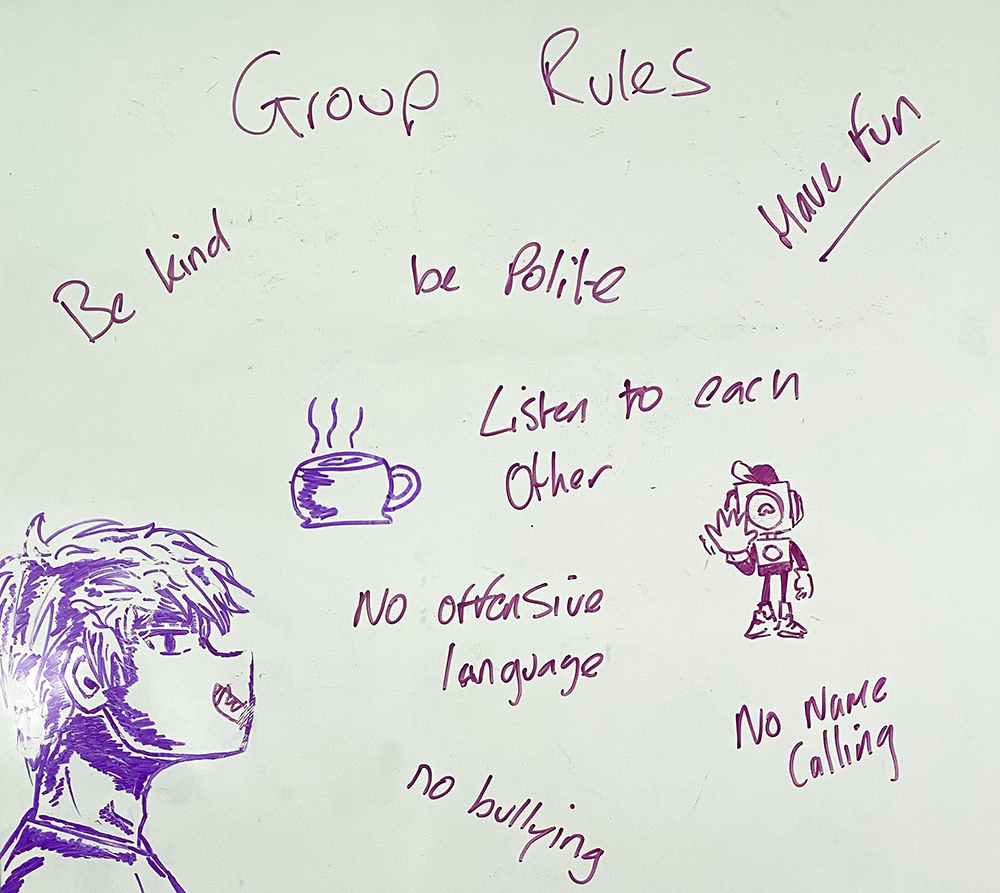
When we run our holiday clubs, we start by asking the young attendees to agree their own rules. The one thing that is always on the list is “no bullying”. 

This summer our rules also included “be kind”, “be polite”, “listen to each other”, “no name calling”, “no offensive language”, and of course, “have fun”. These rules all help to promote a culture of inclusion and friendliness and create a club that young people want to come back to day after day. 

Make (Good) Trouble club rules

This year, Make (Good) Trouble joined the Anti Bullying Alliance. We want to help raise awareness of the issues around bullying. Did you know that 25% of school pupils have been bullied “a lot of always” (ABA research, 2016)? Did you know that bullying can have long-lasting effects, right into adulthood? And that those at risk of being targeted are more likely to be looked after children; registered as SEN; LGBTQ+; those of a different faith; children on free school meals; or those with a disability. 

So we have signed up to the alliance which:

  • believes bullying in any form is wrong and should not be tolerated, and that any environment that encourages bullying, or shows indifference to prejudice and discrimination is unacceptable;
  • believes bullying is a behaviour choice and that anyone can be encouraged to change their behaviour;
  • believes all children and young people have intrinsic value and worth and we embrace their uniqueness and autonomy;
  • respects difference and welcome diversity in our children, young people and in society in general, and believe our work should be inclusive of all;
  • believes children and young people should have the right to feel safe, secure and valued, and that creating a safe environment and dealing with bullying is our shared responsibility;
  • believes children and young people should actively participate in decisions that affect them and should be supported in taking responsibility for their choices and subsequent actions;
  • supports a range of positive strategies to deal with bullying and actively challenge the use of humiliation, fear,  ridicule and other similar approaches in an effort to reduce bullying;
  • works within the UN Convention on the Rights of the Child (Articles 14 and 28); and
  • believes that people should be treated with respect and courtesy.

The Anti Bullying Alliance has loads of great free training and resources on their website. We hope you’ll be moved to join the alliance