I’ve been following changes in the world of work over the last few years – partly because we run a business that employs and contracts young people, and partly because it’s like watching a fast-paced thriller play out. It’s fascinating. Global politics, AI, the rising cost of living and Gen Z’s evolving priorities (like more meaningful work, better work-life balance, positive company culture, supportive environments, training opportunities, and stability, say Youth Employment UK) have all contributed to a jobs market that’s constantly shifting.

It’s exciting but also overwhelming. For many young people, it’s hard enough just to find a way in, let alone work out where and how they might thrive in the long-term.

The latest Future of Jobs Report, 2025, from the World Economic Forum (WEF) gives us a clearer view of where things are heading. With insights from over 1,000 global employers, it highlights the challenges young people face. It also lays out the opportunities to be had. If we – and by ‘we’, I mean young people, employers, local authorities and governments – act now.

“On average, workers can expect that two-fifths (39%) of their existing skill sets will be transformed or become outdated over the 2025-2030 period.” Future of Jobs Report, 2025.

What should young people focus on?

The good news is that an estimated net 78 million new jobs will be created globally by 2030, according to the WEF report. But a lot of the roles we’re familiar with will either be transformed or vanish. This means that the focus needs to be on skills: what you can do, how you think, and your ability to keep adapting.

Here’s what young people should be working towards:

1. Tech skills – even the basics go a long way

You don’t have to become a coder (though if that’s your thing, go for it). But having digital confidence – like understanding AI, data, online tools, and cybersecurity – is becoming a must, no matter what field you’re in. These skills are at the heart of nearly every fast-growing job sector, according to WEF.

👉 Try this: Take a free online course in AI basics or data analytics. You don’t need to become an expert, just knowing the language will help you stand out.

2. Human skills – the ones tech can’t replace

These are increasingly important – in terms of job prospects as well as your wellbeing. As machines take on more of the routine work, your value comes from what they can’t do: critical thinking, creativity, empathy, adaptability – in our opinion, the interesting, fun stuff! Employers are increasingly looking for people who can think for themselves, work well with others, and handle change.

👉 Try this: Get involved in projects, part-time jobs, volunteering, or anything that builds your communication and problem-solving muscles. These experiences often teach you way more than formal study.

3. Green skills – for work that makes a difference

Jobs linked to climate action and sustainability – like renewable energy, environmental management, and electric vehicle tech – are booming. If you care about the planet (and over 80% of under 15s do), these roles offer a way to earn a living and make a real impact.

👉 Try this: Look into internships or modules in sustainability, even if it’s not your main focus. More industries are going green, and they’ll need people who get it.

The 3 biggest challenges young people face right now

1. Skills mismatches

Too many young people are coming out of education with skills that don’t match what employers need. At the same time, businesses are struggling to find people who are ready to hit the ground running.

This isn’t your fault. It’s a systemic issue. It means we urgently need to build better bridges between education, training, and work.

2. Automation and disappearing roles

Entry-level jobs that once helped young people get a foot in the door (like admin, data entry, retail) are being automated. That makes early career paths more fragile and competitive. 

3. Cost of living and career insecurity

Starting a career in the middle of a cost-of-living crisis is tough. When you’re juggling rent, bills, and perhaps student debt, it’s harder to take chances on training, internships, or lower-paid but valuable experience-building roles.

The 3 biggest opportunities to go for

1. Tech is hiring – and will be for a long time

There’s a global shortage of people with skills in AI, fintech, data, and cybersecurity, according to the WEF report. Even if you’re not a “tech person,” showing some fluency with digital tools can open doors.

2. Green jobs give you purpose and security

The transition to a greener economy will create thousands of jobs in the coming years and many of these are roles that didn’t even exist a decade ago. Take a look at some green careers.

3. Work is getting more flexible and global

Remote work, freelance platforms, and portfolio careers are giving young people new ways to build skills, make money, and create careers on their own terms, regardless of your location.

What employers and policymakers should be doing

If you’re an employer, educator, or policymaker reading this, here’s our key message: young people are motivated, capable, and ready to contribute but they need better systems around them.

Here’s how employers and policymakers can help:

  • Rethink education so it focuses on adaptability, digital confidence, creativity, and resilience – not just exam results.
  • Support mental health and wellbeing in the workplace. A caring environment isn’t a “nice to have” – it’s a must.
  • Invest in accessible training and paid entry-level opportunities. If a young person can’t afford to work for free, we all lose out on their talent. (You must pay interns if they’re classed as a worker, that’s the law, and just plain decency.)
  • Bridge the gap between education and work. That could be through real-world projects, mentorship, apprenticeships, and employer partnerships.

We also need to fund and champion lifelong learning – not just for young people, but for everyone. In our rapidly changing world, the ability to learn, unlearn and relearn is important – not just for work, but for life. And while that might sound exhausting, with the right support, it can be energising. It’s a chance to spark new ideas, unlock new careers, and reshape work for the better. And crucially, young people must be part of that transformation, not just as learners, but as co-creators of the future they’ll inherit.

What next?

The future of work is already here – and it’s changing fast. But young people aren’t scared of that. They’re used to change. What they do need is support, direction, and opportunity.

If you’re a young person starting out right now, here’s the best advice we can give: don’t chase job titles, build future-ready skills. Be curious. Stay flexible. Learn how to learn. That mindset is your best long-term asset.

And to the rest of us – employers, educators, governments – let’s not make young people fight their way in. Let’s build pathways, offer support, and co-create a future of work that works for everyone.
PRESS RELEASE

Living Wage Employer logo

FOR IMMEDIATE RELEASE 17 July 2025

MAKE (GOOD) TROUBLE C.I.C. CELEBRATES COMMITMENT TO REAL LIVING WAGE

Make (Good) Trouble C.I.C. has today accredited as a Living Wage EmployerTheir Living Wage commitment will see everyone working at Make (Good) Trouble receive a minimum hourly wage of £12.60, higher than the government minimum for over 21s, which currently stands at £12.21 per hour.

Make (Good) Trouble is based in the South East, a region where over 12.9% of all jobs pay less than the real Living Wage – around 519,000 jobs. Despite this, Make (Good) Trouble has committed to pay the real Living Wage and provide a decent standard of living for all their workers.

The Living Wage Foundation’s real Living Wage remains the only UK wage rate independently 

calculated based on the cost of living, rising annually based on living costs. It gives employers 

the confidence they are paying a wage that meets everyday needs, not just the government minimum. Over 16,000 accredited employers have secured over £3.6 billion of pay rises for low paid workers since 2011 and made a profound difference to millions of lives around the UK.

Tayler Cresswell, Company Director, Make (Good) Trouble said: “As champions of young people, we’ve always believed in the importance of paying a real living wage. Everyone deserves to earn enough to live without constant struggle — and for young people especially, fair pay means the chance to be independent, secure, and truly valued. For us, accreditation is more than a badge, it’s a way to shine a light on the unfairness many young people face, and to encourage others, whether business owners or young workers, to see that fair pay should be the norm, not the exception.”

Katherine Chapman, Director, Living Wage Foundation said: “We’re delighted that Make (Good) Trouble has joined the movement of over 16,000 responsible employers across the UK who voluntarily commit to go further than the government minimum to make sure all their staff earn enough to live on.

“They join thousands of small businesses, as well as household names such as BurberryBarclays, Everton Football Club and many more. These businesses recognise that paying the real Living Wage is the mark of a responsible employer and they, like Make (Good) Trouble, believe that everyone needs to be able to live with dignity and have a decent standard of living.”

ENDS

Media Contact

Tayler Cresswell tayler@makegoodtrouble.co.uk

NOTES TO EDITORS:

What is the real Living Wage?

The Living Wage Foundation’s real Living Wage remains the only UK wage rate independently calculated based on the cost of living, rising annually based on living costs. It gives employers the confidence they are paying a wage that meets everyday needs. The real Living Wage applies to all workers over 18 – in recognition that young people face the same living costs as everyone else. This year’s rates are £12.60 across the UK, and £13.85 in London. These figures are calculated annually by the Resolution Foundation and overseen by the Living Wage Commission, based on the best available evidence on living standards in the UK and in London. 

Over 16,000 accredited employers choose to pay the real Living Wage on a voluntary basis. The campaign for a real Living Wage has secured over £3.6bn of pay rises for low paid workers and made a profound difference to millions of lives around the UK since it began more than 20 years ago. It enjoys cross party support.

About the Living Wage Foundation

The Living Wage Foundation is the organisation at the heart of the independent movement of employers, people and communities who believe in work that works for everyone. Together we are driving up employment standards so that everyone has a decent standard of living now and in the future. Through our Living Wage, Living Hours and Living Pension accreditations, we champion and celebrate employers who make an ongoing commitment to do the right thing by their employees by providing the security and freedom they need to thrive. 

The Living Wage Foundation is part of Citizens UK; the UK’s biggest, most diverse and effective people powered alliance. Our accreditation schemes make change on the issues that matter. The Living Wage Foundation receives guidance and advice from the Living Wage Advisory Council. The Foundation is supported by our principal partners: Aviva; IKEA; Joseph Rowntree Foundation; KPMG; Linklaters; Nationwide; Nestle; Resolution Foundation; Oxfam; Trust for London; People’s Health Trust; and Queen Mary University of London.

What about the Government’s national living wage?  

In July 2015 the Chancellor of the Exchequer announced that the UK Government would introduce a compulsory ‘national living wage’ (NLW). This new government rate was a new minimum wage for staff over 25 years old. It was introduced in April 2016 and the rate is £12.21 as of April 2025. From April 2024 it applies to everyone over 21 years old.  

The rate is different to the Living Wage rates calculated by the Living Wage Foundation. The government rate is based on median earnings, while the Living Wage Foundation rates remain the only ones calculated according to the cost of living in London and the UK. A full-time worker paid the £12.60 real Living Wage will receive £760.50 in additional wages annually compared to the current Government minimum. For a full-time worker in London this figure rises to £3,198.

For more about the difference and how we calculate our rates see our website.

This is just a quick note to say a big thank you to you! Thanks to all our supporters, partners, clients and workshop participants – together we’ve created some truly inspiring artwork, films, podcasts, and mystical stories!

Just some of this year’s highlights

We’re very proud of the work that’s come out of 2024 – the young people we’ve worked with have created some fantastic creative content. 

From Series 5 of Raising Teens which was broadcast in January and February on BBC Sussex and Surrey (all episodes are available to listen to here), to our final project of 2024, developing workshops for the Future Creators programme.  

Our Holiday, Activities and Food drama club saw us back in the gorgeous South Downs National Park with Dragon Drama for a week of storytelling, den-building and… well, drama!

We spent a delightful couple of days in the summer with Wakehurst’s work experience students. Their podcasts: Orchids, Poo Sprinkles and Us and Angry Ponds and Nuclear Spreadsheets (listen below) are well worth a listen – they’ll transport you back to the summer with the sounds of nature recorded in the gardens.

Our film for the East Sussex social prescribing pilot tells the stories of children, families and professionals involved in the pilot.

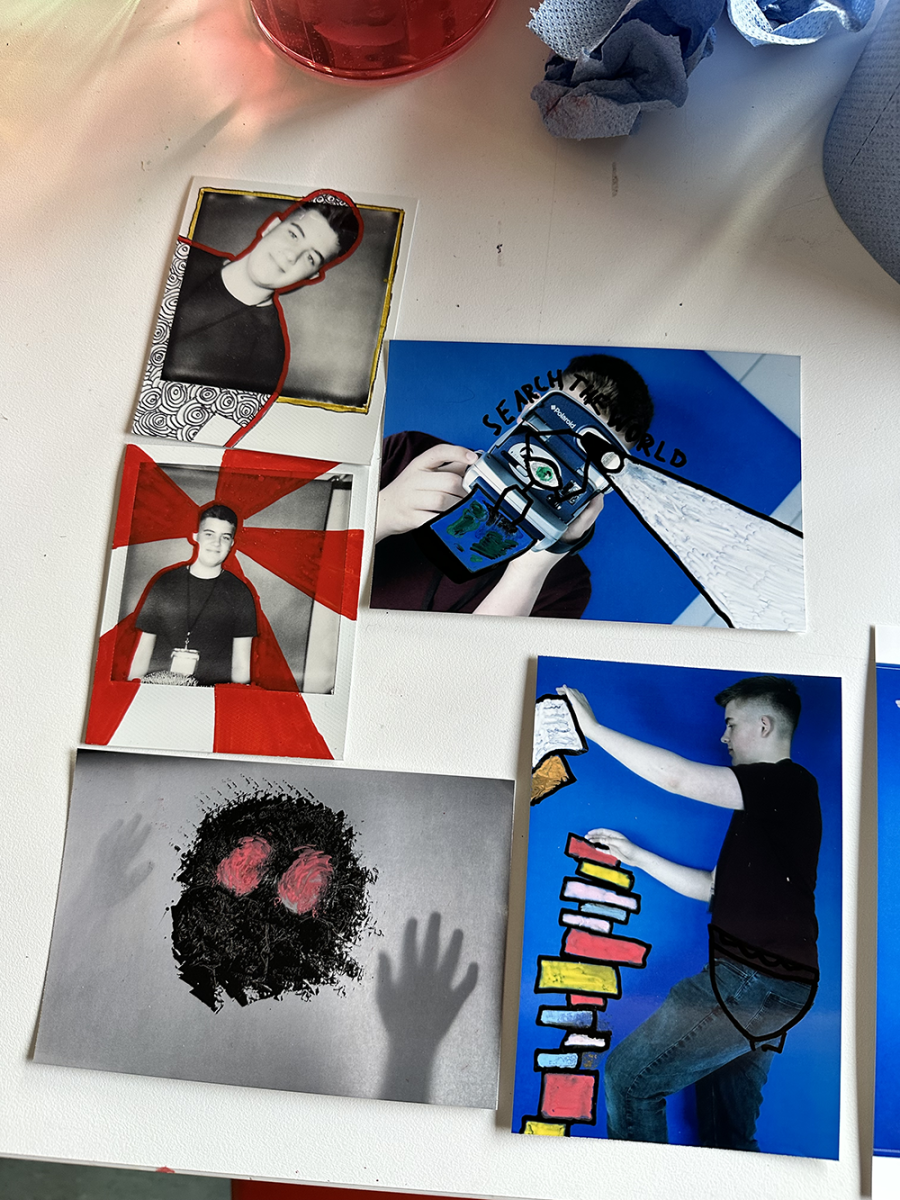
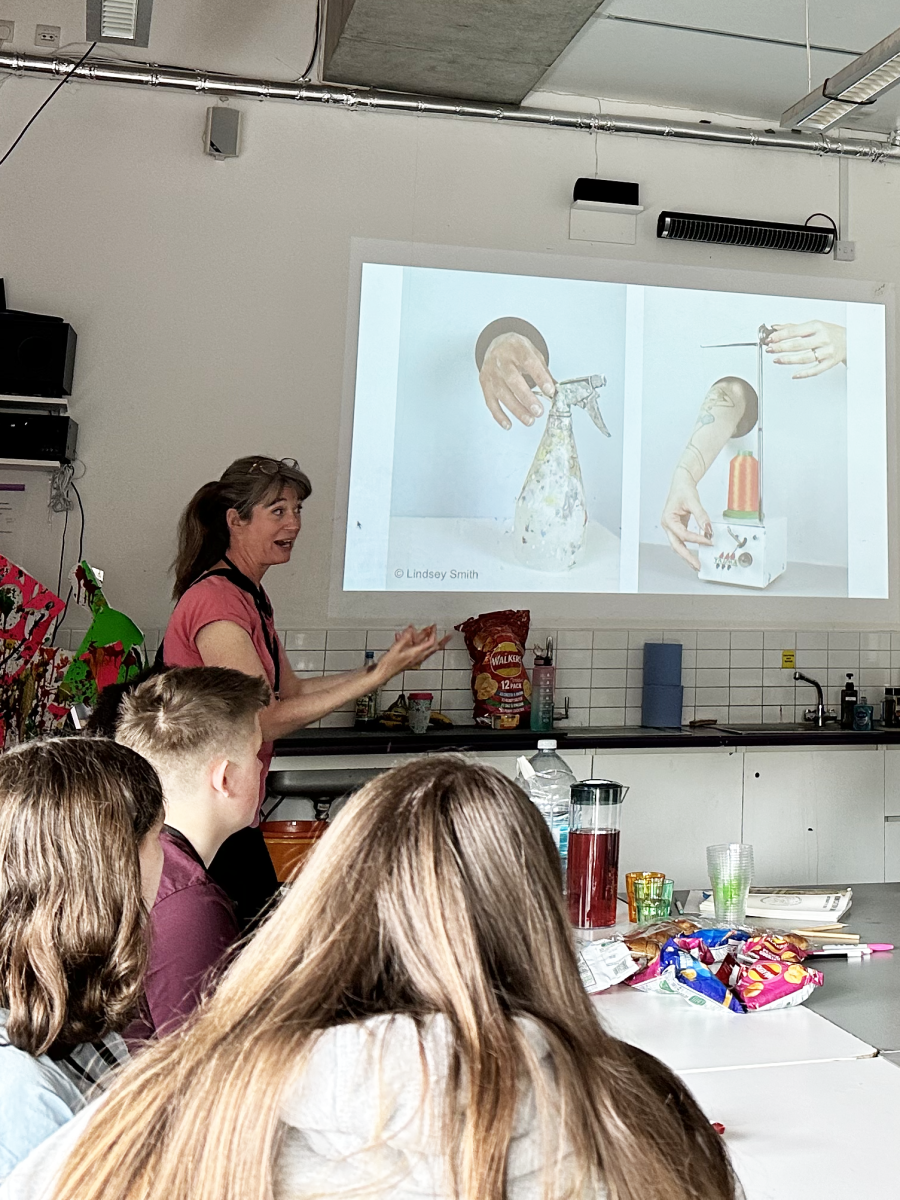
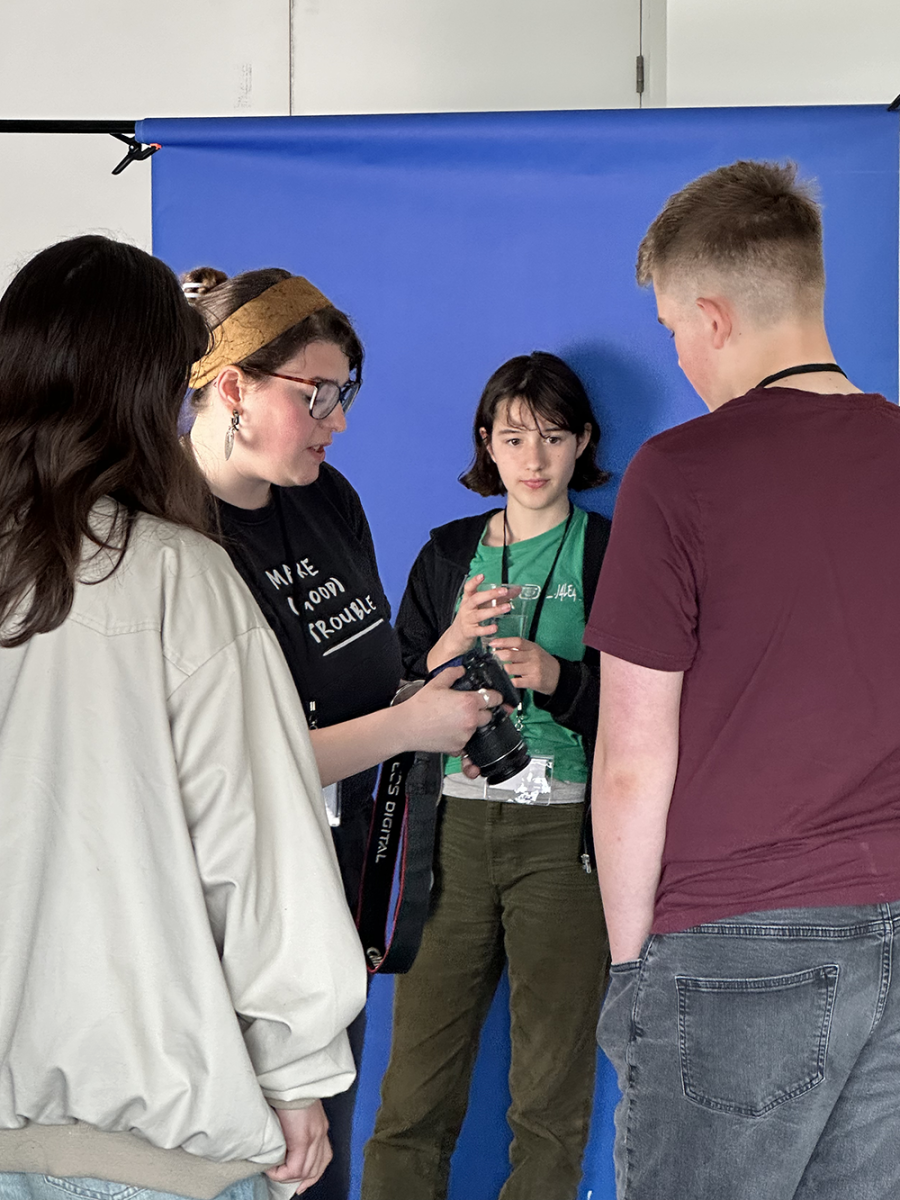
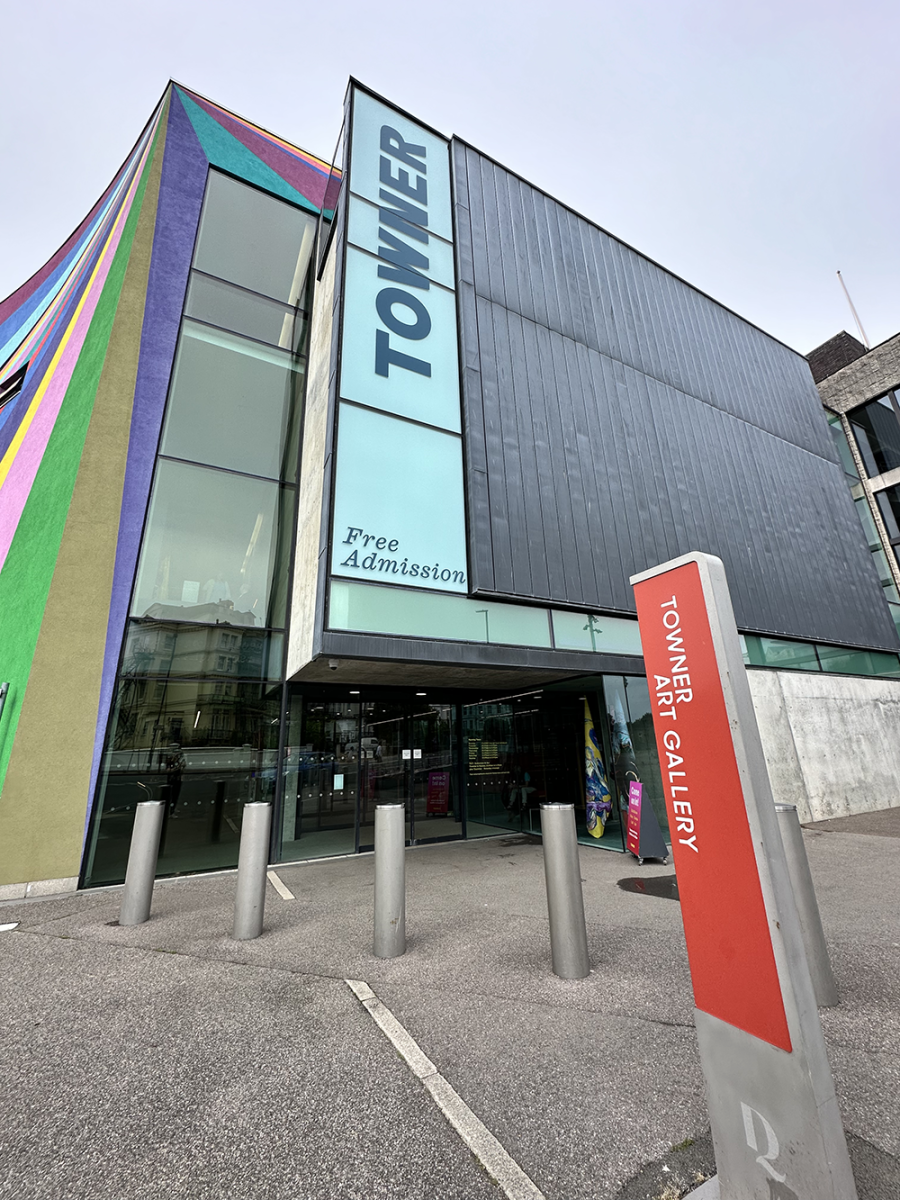
Our Catalyst programme came to a close this autumn – we had an incredible 190+ young people attend workshops with some fantastic artists over the past two years. You can see their creative work in the Catalyst Gallery on our website. Below are images from the final Catalyst workshop at The Towner in Eastbourne with artists Lindsey Smith and Tom Goulden from Priority 1-54.

To close the year, we held workshops as part of the Future Creators programme. Ben and Freya’s Teen Tunes podcast is a delightful listen. In it, they talk about their musical influences, what inspires them and what they want to do in the future. 

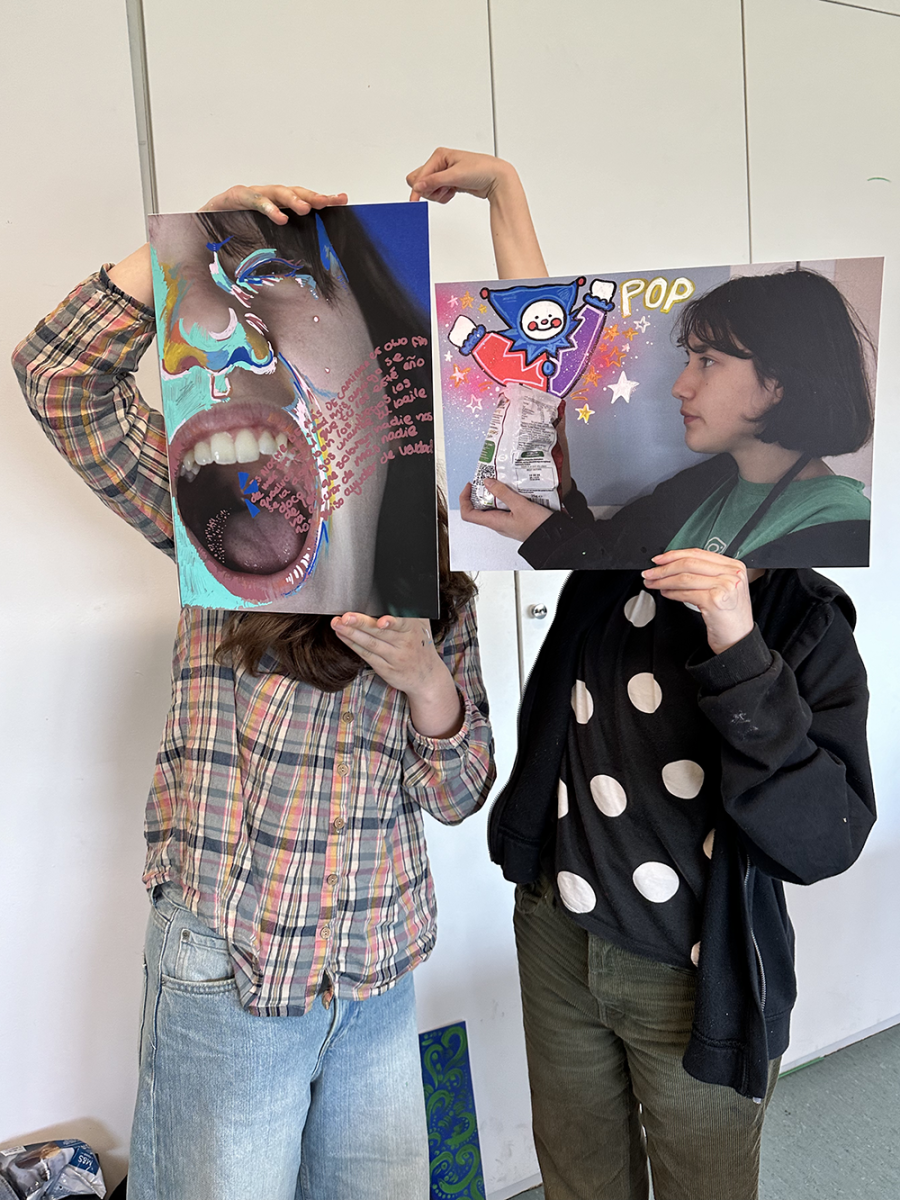
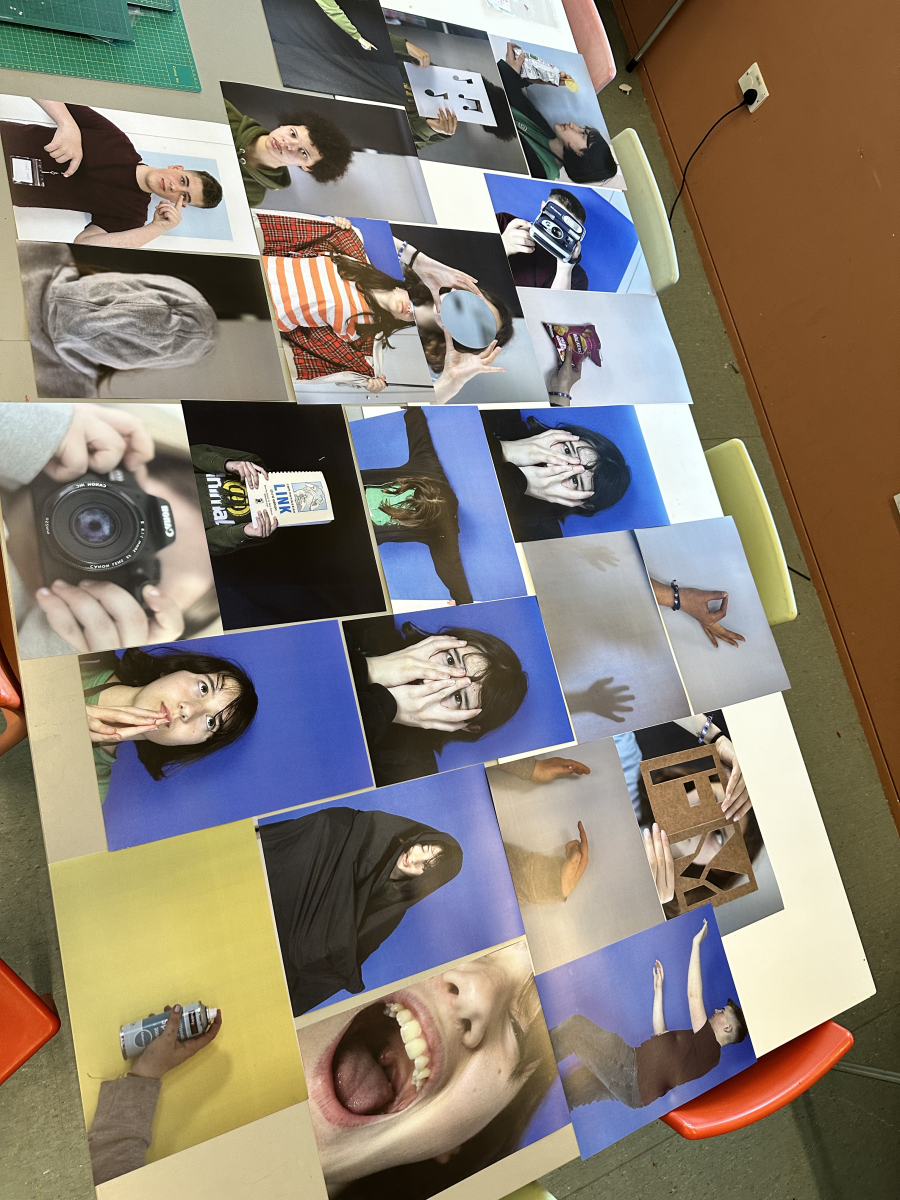
We also worked with students from BACA who designed some brilliant graffiti boards with graffiti artist Tom Goulden. Their artwork represented the things they’re passionate about – from bringing more colour to Brighton through street art and the cost of living, to women’s rights and secure housing. They learnt how to interview each other and to make a podcast to discuss what could be done to make things better in future.  (See photo at the top of this blog post!)

So that’s it for 2024. See you next year!

First up, a quick plug for two amazing workshops we’re running next week. 

We’ll be at Rye Nature Reserve for our Catalyst arts programme. If you work with care-experienced young people aged 12-16, we have a fabulous free nature-based art workshop at Rye Harbour Nature Reserve next Wed and Thurs 11am – 3pm. Parents/Carers can register here.

We’ll also be heading to the South Downs National Park with the amazing folk from Dragon Drama for 3 days of woodland drama! There are still a few places left. If you know anyone who fits the bill (aged 11-15, in receipt of free school meals in East Sussex) and would like to join us, send them this link. It’s also free!

In the news…

There have been plenty of reports out this month detailing the rising mental health needs of young people. There’s news that the effects of the Covid pandemic have hit all age groups hard in terms of physical and mental ill health, and for young people it’s meant developmental milestones being missed. 

 The Children’s Commissioner for England has published statistics that show over a quarter of a million young people are still waiting for mental health support after being referred to Children and Adolescent Mental Health Services (CAMHS). Among the recommendations, the report calls for “Support for children who do not reach the threshold for CAMHS, including through Early Support Hubs, Mental Health Support Teams, from school counsellors”. 

In our work we’ve seen systemic problems for young people as a result of the pandemic, delayed access to mental health services, worries about the future, and the cost-of-living crisis. 

We have been working with young people who have received early support through social prescribing, which for many has been life changing. It’s a low cost early intervention that has been shown to make a real difference. Social prescribers offer one-to-one family support, activities for young people that help them to reconnect with peers, overcome anxiety and reduce time spent away from school and the classroom.  

What we’re doing to make a difference

We’re currently working on developing new ways to help young people, creating a supportive framework that will not only help with their wellbeing but also give them confidence, resilience, and new skills in critical thinking and communication. 

Part of that plan has been to develop interview techniques and podcast production training for young people. We’ve worked with YMCA and Save the Children this past month delivering training, listening to young people and – importantly – helping them to listen to each other’s stories. For Save the Children we worked with Priority 15-4 on the creation of a youth panel from different schools that represent rural and coastal communities and explored themes of education, mental health, money and housing. Their candid conversations and honest opinions help to form the foundations of the next phase of the project, a co-created campaign where they develop their skills to become active community organisers.  

By developing fun and immersive workshops – that are the least like a classroom setting – young people are given free rein to be creative, use their imagination and develop storytelling skills. Our team helps them to produce their own podcast and they learn how to interview each other about serious issues while also including enjoyable and amusing topics (see photo at the top of this newsletter!). The best thing we can achieve from a workshop is to make a child feel valued, heard and to make sure they are having a great time.

If you’re interested in working or collaborating with us, or funding our new initiatives, you can find out more here.

If you or your young person needs support, we have lots of great resources on our website in the Help & advice section.


👋 Do share this blog with anyone you think might find it useful. Thanks! 
 
We hope you enjoy Make (Good) News. If you have any suggestions or news you think we should cover next month, send us a line! 

The Make (Good) Trouble team x